

Traumatherapie - Somatic Experiencing (SE)

What is Somatic Experiencing?
Somatic Experiencing (SE) is a psycho-physiologically based approach for the treatment and resolution of shock and trauma. It was developed by the American biophysicist, psychologist, and biologist Dr. Peter A. Levine beginning in the 1970s and has since been successfully practiced worldwide.
Experiences that can lead to trauma come in many forms. These include traffic accidents, falls, surgeries, serious illnesses, injuries, the loss of a loved one, childhood neglect, or prenatal threat in the womb, as well as war, natural disasters, or sexualized violence. Even seemingly ordinary events such as medical procedures, a dog bite, or witnessing violence on television can be traumatizing.
It is highly individual which experiences become traumatic. Events that may appear harmless to outsiders can be experienced very differently by the affected person and may be difficult to process.
In many cases, we recover spontaneously from the effects of such experiences over time through our own inner resources. Sometimes, however, the impact of a distressing event remains and leads to suffering and a variety of symptoms that may persist for years. SE offers a gentle yet effective way to address such experiences deeply by taking into account the instinctive bodily reactions that arise when facing a threatening event.
This approach is well suited to processing the effects of shock and trauma and helps people regain trust in their own abilities and reconnect with their vitality.
SE is suitable both for working with early trauma, where there are often no conscious memories and much occurs in a non-verbal realm, and for later trauma, where memories may be partially or fully conscious.
What Leads to the Development of Trauma?
In situations of danger, we generally have three innate survival responses available to us: fight, flight, or freeze. If we are able to flee or defend ourselves successfully, the organism usually (though not always) returns naturally to balance afterward. If fighting or fleeing does not seem possible, we freeze in shock. This may happen, for example, when confronted by a threatening dog baring its teeth or discovering an intruder in the house.
If the energy mobilized in this threatening situation cannot later be discharged (for example through trembling) it may remain trapped in the nervous system. We may continue to stay in a state of alarm and find it difficult to leave the event behind. This survival energy bound in the nervous system is what we call trauma.
Elements of the Healing Process with SE
SE works primarily with the body’s response to traumatic events. It addresses the autonomic nervous system, which plays a central role in trauma and is not governed by conscious will. It can only be invited into regulation through non-judgmental awareness.
In SE work, the trauma does not need to be consciously remembered or relived. Healing is possible without talking about the details of what happened, and in the case of early trauma, even without conscious memory. It is enough that the body remembers. We work with the traces trauma has left in the nervous system. In this process, talking is not the central focus. The essential healing takes place in the body.
At the heart of SE trauma work is the tracking and exploration of bodily sensations and impulses, emotions, inner images, thoughts, and beliefs. Other important elements in the healing process include activating resources, pendulating between trauma-related sensations in the body and supportive resources, following bodily impulses, and titration: that is, proceeding gently and gradually. The foundation for this work is a calm and safe therapeutic environment.
What matters most is that the nervous system can “thaw” frozen energy in small doses and discharge it step by step. This controlled release helps prevent retraumatization: that is, becoming overwhelmed again. The deeply rooted aftereffects of trauma held in the body can gently dissolve. Trauma-related freezing transforms into a sense of agency and aliveness, from “I can’t” to “I can.”
Trauma is Renegotiated
With SE, trauma is renegotiated physically, mentally, and emotionally. Over time, the felt sense of the body shifts toward greater safety and presence. This natural sense of alertness and grounding in the body positively influences thoughts, feelings, emotions, and beliefs.
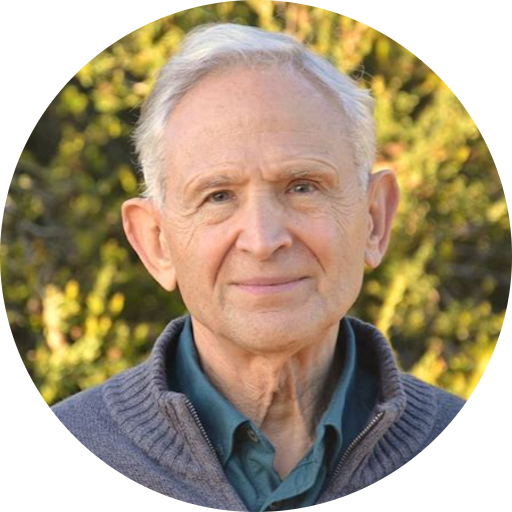
«I have come to the conclusion that human beings are born with an innate capacity to triumph over trauma. I believe not only that trauma is curable, but that the healing process can be a catalyst for profound awakening.»
Dr. Peter A. Levine